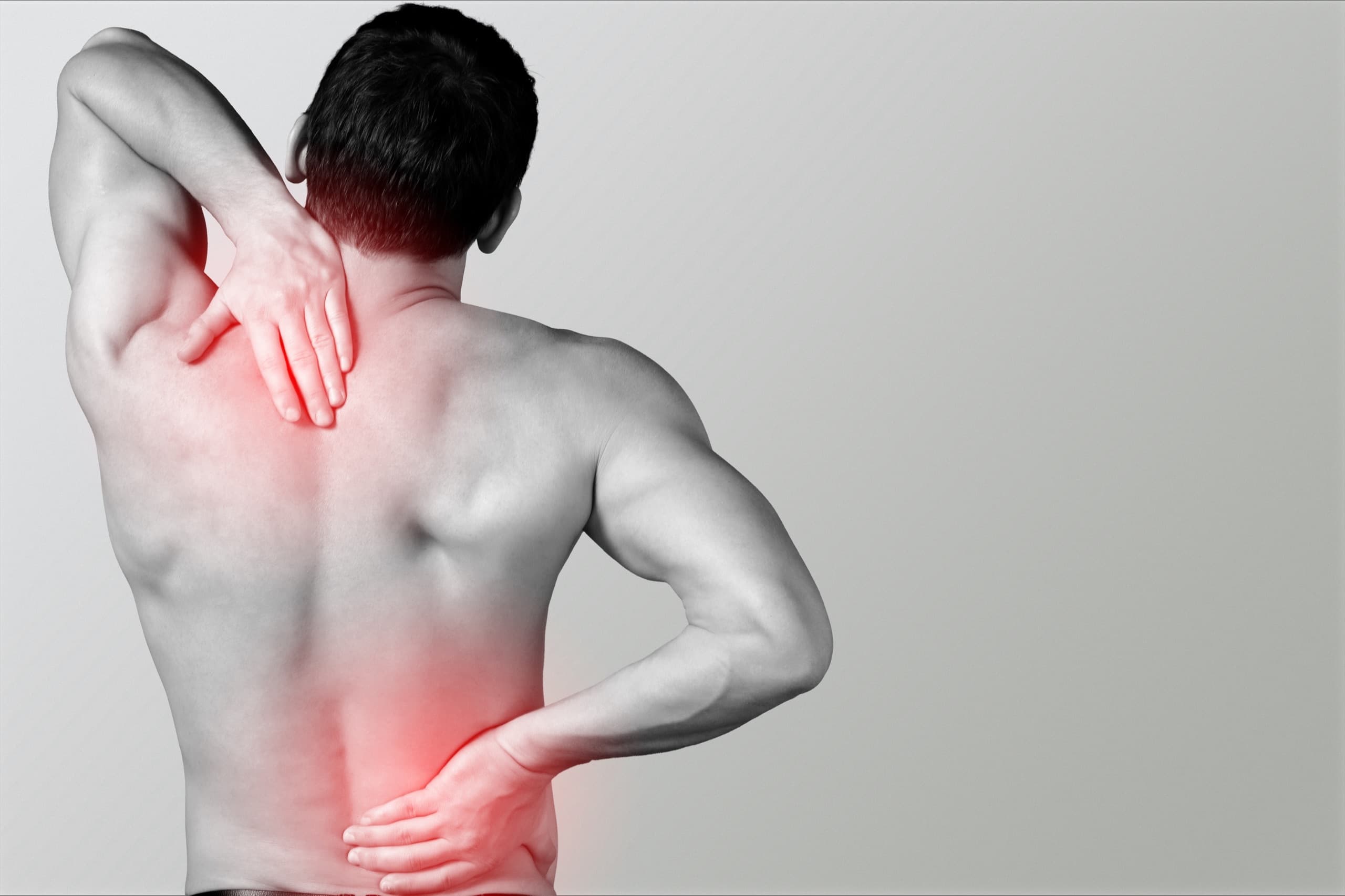
Sports Injury Care in Atlanta
A sports injury is damage to muscles, ligaments, tendons, bones, or other soft tissues that happens during exercise or athletic activity, either from a sudden event like a fall or twist, or gradually from overuse. At Life Balance Pain Care, most sports injuries are treated without surgery: we start with a careful evaluation and image-supported diagnosis, then build a personalized plan that may include regenerative options like PRP, ultrasound-guided injections, trigger point therapy, and supportive care to help calm pain and support tissue recovery.
Mon–Fri 9am–5pm · Request an appointment anytime
Sports injuries we evaluate & treat
From sudden sprains to nagging overuse pain, here are common sports-related injuries we see at our metro Atlanta offices.
Tap any symptom to find the right care, or search the whole site.
Get back to the activity you love.
A sports injury is any injury to the musculoskeletal system, including muscles, tendons, ligaments, joints, or bone, that occurs during exercise, training, or play. Some happen in an instant, like an ankle sprain or a pulled hamstring. Others build up quietly over weeks of repetitive stress, like tennis elbow, runner's knee, or Achilles tendinitis. You don't have to be a competitive athlete to get one; weekend runners, recreational players, and active Atlantans of every age see us, too.
At Life Balance Pain Care, our approach is patient-first and conservative. Led by Brad S. Bootstaylor, M.D., we focus on non-surgical and regenerative options first, using shared decision-making so you understand every step. The goal is to relieve pain, support natural healing, and help you return to the activities you love, safely.
Non-surgical first
We begin with conservative, regenerative-focused care and reserve surgical referral for when it's truly needed.
Personalized plan
Your treatment is built around your specific injury, your history, and your recovery and activity goals.
Patient-first, shared decisions
Dr. Bootstaylor walks you through what's hurt and why, so you choose your care path with full understanding.
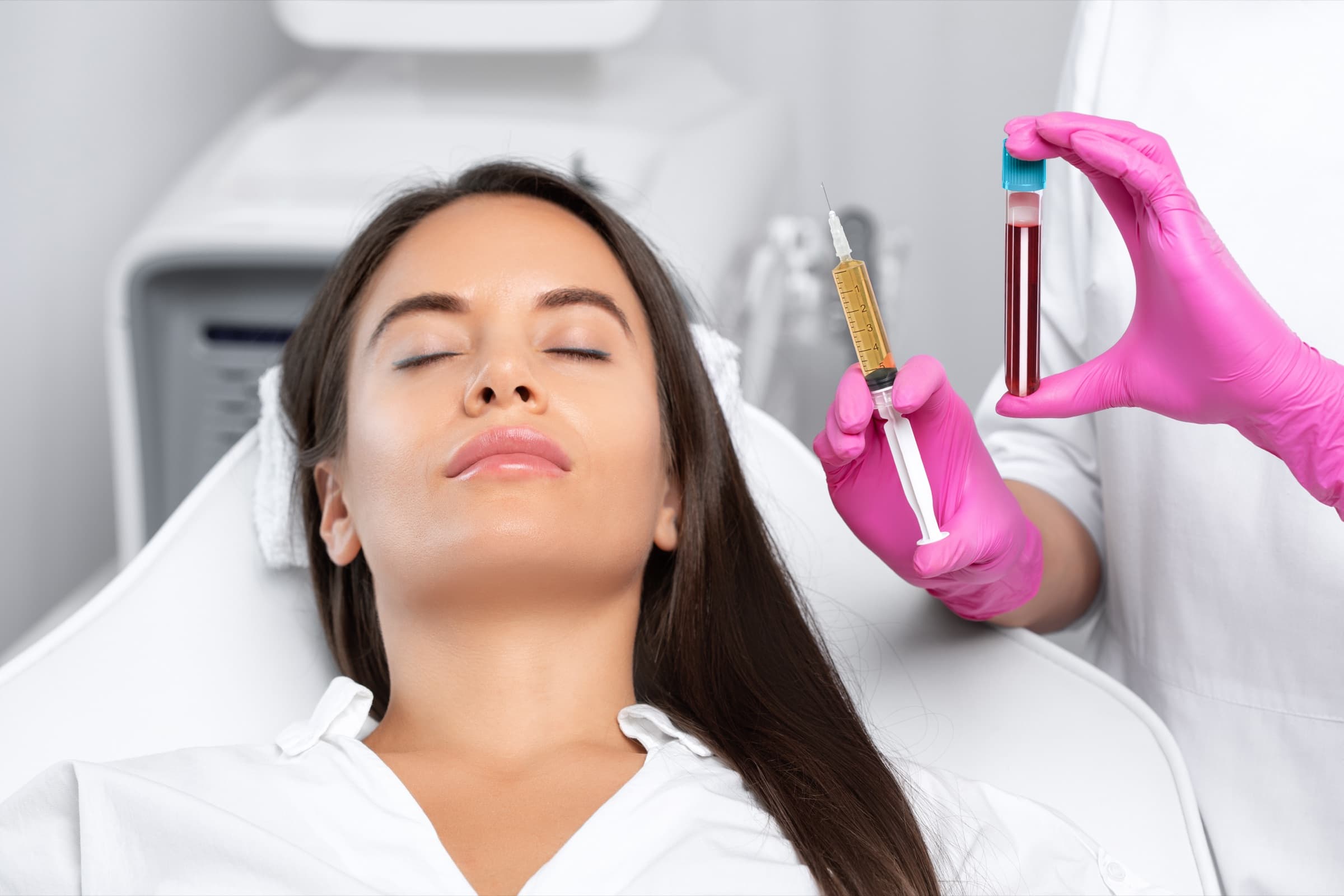
How we treat sports injuries at Life Balance Pain Care
Evaluation & diagnosis
Dr. Bootstaylor reviews your symptoms, activity, and history and examines the injured area, using imaging when it's needed, to understand what's hurt and how severe it is. Then he explains it in plain language.
Personalized treatment plan
Together we build a plan that targets what is causing the pain. For many injuries that starts with rest, activity modification, and the RICE principles (rest, ice, compression, elevation), layered with the right in-office options for your case.
Non-surgical & regenerative treatment
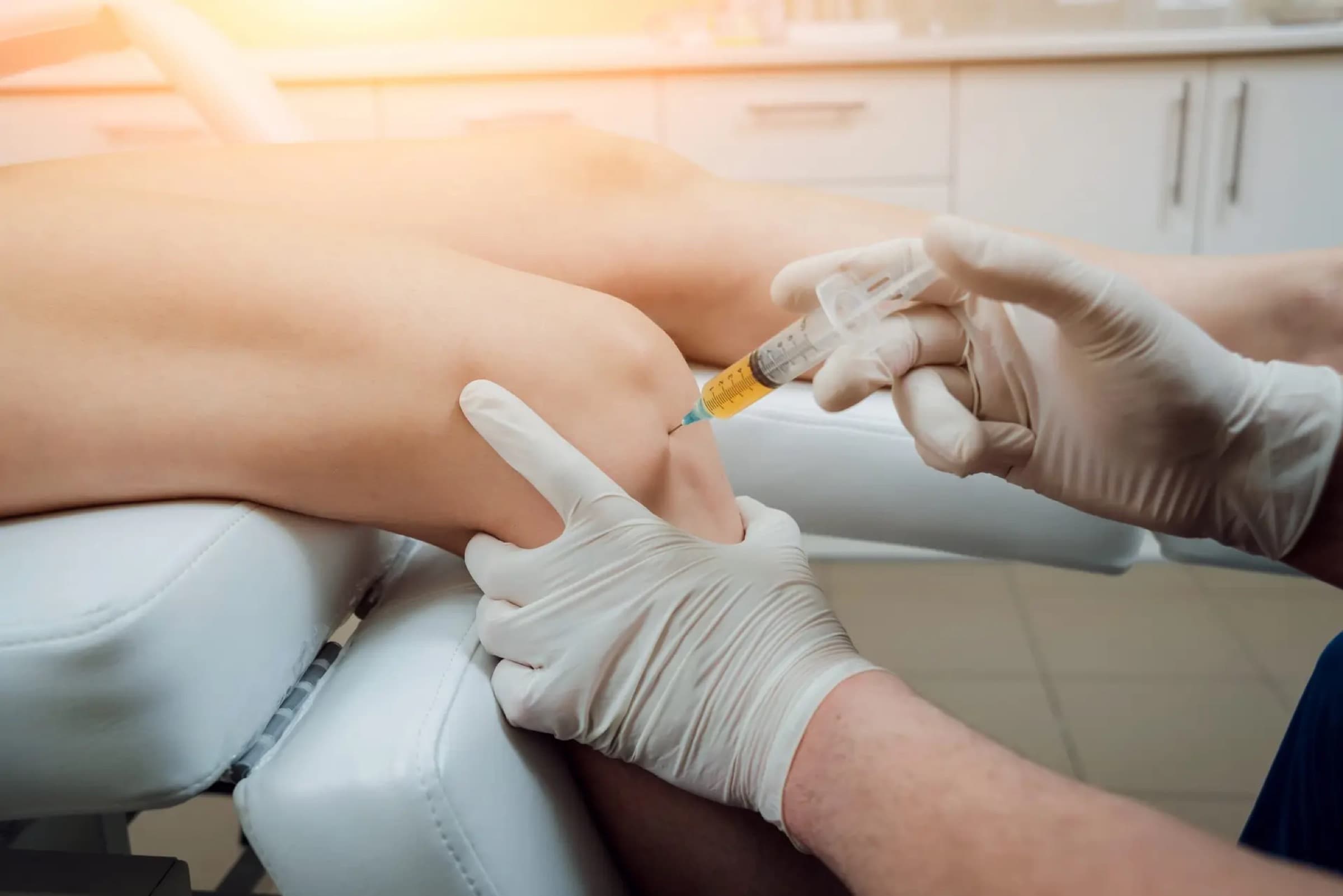
We offer regenerative and image-guided care that helps calm pain and support healing, including platelet-rich plasma (PRP), ultrasound- and fluoroscopic-guided joint and soft-tissue injections, and trigger point therapy for muscle-related pain, all performed precisely and conservatively.
Recovery & follow-up
We track your progress and adjust your plan as your body responds, guiding a gradual, safe return to activity. If an injury needs surgical care, we'll tell you honestly and help coordinate the right referral.
Get help with sports injuries.
Schedule an evaluation or call our team. Most patients are seen quickly across our three metro Atlanta locations.

Acute vs. overuse: the two ways sports injuries happen
Sports injuries generally fall into two groups. Acute injuries come from a single sudden force such as a fall, a blow, a twist, or an awkward landing, and include sprains (stretched or torn ligaments), strains (stretched or torn muscles or tendons), contusions (bruises), dislocations, and fractures. Overuse injuries develop gradually when an activity is repeated so often that tissue doesn't get enough time to recover between sessions; common examples are tendinitis and bursitis. Sprains are often graded from mild (Grade 1, slight stretching) to severe (Grade 3, a complete tear that can leave a joint unstable), which helps guide how an injury is treated.
Common injuries and warning signs
The areas affected most often are the ankles, knees, shoulders, and elbows. Think ankle sprains, runner's knee, rotator cuff injuries, ACL injuries, tennis elbow, and Achilles tendinitis. Typical symptoms include pain, swelling, bruising, stiffness, weakness, or trouble bearing weight or moving the joint normally. Risk can rise with skipped warm-ups, ramping up intensity too quickly, worn-out footwear, training through fatigue, and previous injuries that never fully healed. Severe pain, an obvious deformity, the inability to use a limb, or significant swelling are signs to be evaluated promptly rather than waiting it out.
Frequently asked questions
Do I need surgery for a sports injury?
Often, no. Many sports injuries, including most sprains, strains, and overuse conditions, improve with conservative, non-surgical care such as rest, activity modification, physical rehabilitation, regenerative options like PRP, and image-guided injections. We focus on these first and recommend surgical referral only when an injury truly requires it, such as certain complete tears or fractures. Your plan is always discussed with you before moving forward.
How is a sports injury diagnosed?
Diagnosis starts with a conversation about how the injury happened and a physical exam of the affected area. Depending on what we find, imaging may be used to help confirm the extent of the damage and check for fractures or significant tears. This helps us understand what's hurt so we can match treatment to your specific injury.
What is PRP, and how does it help sports injuries?
Platelet-rich plasma (PRP) is a regenerative treatment that uses a concentrated portion of your own blood platelets, injected at the injury site to support your body's natural healing of tendons, ligaments, and joints. It's one non-surgical option we may consider as part of a personalized plan. Whether PRP is appropriate depends on your specific injury, and Dr. Bootstaylor will review the options with you.
What should I do right after a sports injury?
For many acute injuries, the RICE approach can help in the first hours and days: rest the area, ice it (about 20 minutes at a time, several times a day), use compression to limit swelling, and elevate the injury. If you have severe pain, an obvious deformity, significant swelling, or you can't use or bear weight on the injured part, seek medical evaluation promptly rather than waiting.
How long does it take to recover from a sports injury?
Recovery time varies widely depending on the type and severity of the injury, the tissue involved, and your overall health and activity level. Mild sprains and strains may settle within a couple of weeks, while more significant injuries can take longer. We track your progress and guide a gradual, safe return to activity rather than rushing it. Because every injury and every patient is different, we don't promise a fixed timeline.
Was your injury caused by an accident or an attorney-involved case?
If your injury is connected to a personal-injury matter, such as a fall or collision, we accept attorney liens for qualifying personal-injury cases and coordinate documentation with your legal team. Call us at 404-618-6825 and we'll help you understand your options.