Platelet-Rich Plasma (PRP) Therapy in Atlanta
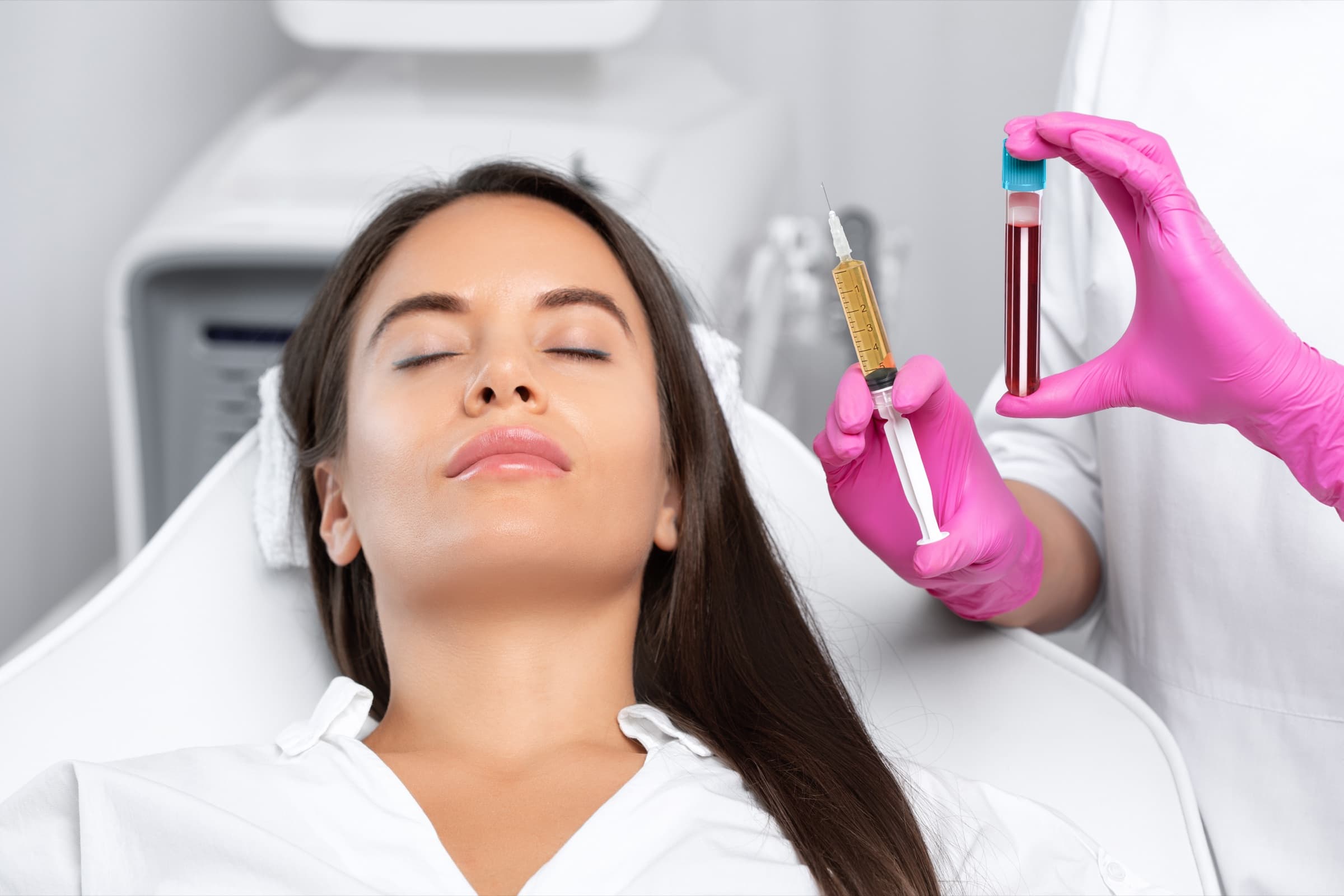
Platelet-Rich Plasma (PRP) therapy is a non-surgical regenerative treatment that uses a concentration of your own blood platelets to support your body's natural healing. At Life Balance Pain Care in Atlanta, we draw a small blood sample, concentrate its platelets and growth factors in a centrifuge, and inject that solution into the injured or painful area. It is offered as part of a regenerative-first approach and only after an evaluation determines it may be appropriate for you.
Mon–Fri 9am–5pm · Request an appointment anytime
Who PRP therapy helps
PRP may be worth discussing for people dealing with these common pain and injury concerns:
Tap any symptom to find the right care, or search the whole site.
What is PRP therapy?
Platelet-Rich Plasma (PRP) therapy is a regenerative medicine treatment that draws on your body's own healing ability. Platelets in your blood carry growth factors that the body uses to repair tissue, and PRP concentrates those platelets so they can be delivered to the area that needs support. Because the treatment uses your own blood, it offers a natural, minimally invasive option to consider for certain pain and injury concerns.
At Life Balance Pain Care, PRP is part of our non-surgical, regenerative-first approach to pain management in Atlanta. We deliver concentrated platelets and growth factors to the injury or pain site to support the body's natural healing process, which in some cases may reduce the need for surgery or ongoing medication. Every plan begins with an evaluation and is built around shared decision-making, so you understand your options before moving forward.
Uses your own blood
Because PRP is prepared from your own blood, it lowers the likelihood of an allergic or adverse reaction to the injected material.
Non-surgical, minimal downtime
PRP is a minimally invasive injection that avoids surgery, and most people have little downtime afterward.
Patient-first regenerative care
PRP fits our regenerative-first philosophy and is recommended only after an evaluation suggests it may be a suitable option for you.

How we treat with PRP therapy at Life Balance Pain Care
Evaluation and shared decision-making
We start by listening to your story and examining the source of your pain or injury. Together we discuss whether PRP is a reasonable regenerative option for you, so any decision is made with a full understanding of the benefits, limitations, and alternatives.
Blood draw and platelet concentration
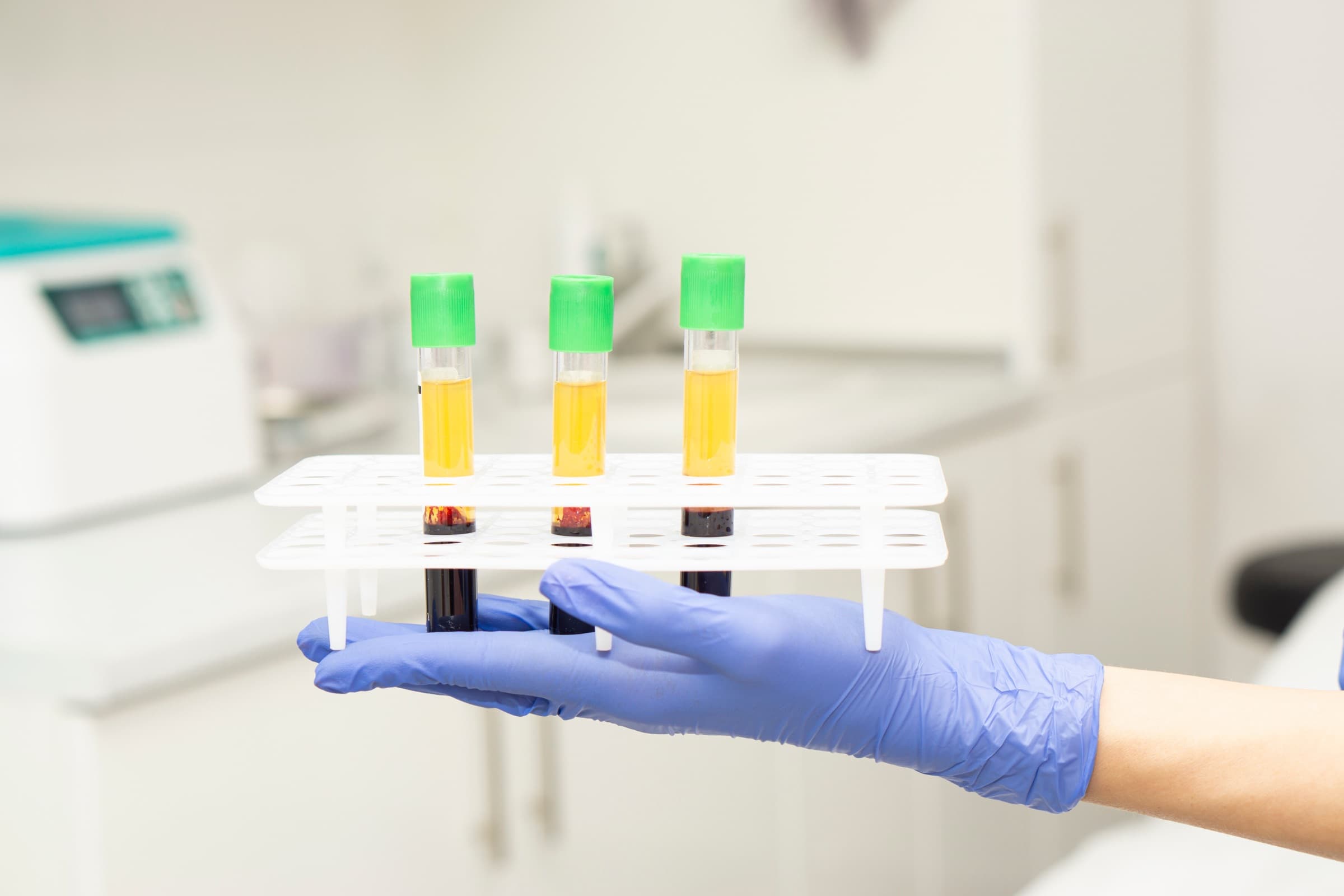
On the day of treatment, we collect a small blood sample much like routine blood testing. That sample is processed in a centrifuge to concentrate the platelets and the growth factors your body uses during healing.
Targeted PRP injection
The concentrated PRP solution is injected into or near the affected area, often with image guidance, to place it precisely at the site of injury or pain. We focus on careful, comfortable, accurate delivery.
Recovery and follow-up
PRP is minimally invasive and typically involves minimal downtime, so most people can resume normal activities relatively soon, with any specific restrictions explained by your provider. We follow up to monitor your progress and coordinate any supportive care.
Get help with platelet-rich plasma (PRP) therapy.
Schedule an evaluation or call our team. Most patients are seen quickly across our three metro Atlanta locations.
How PRP injections work
The process is built around your own biology. It begins with a simple blood draw, similar to routine blood testing. That blood is then processed in a centrifuge, which spins it to concentrate the platelets and the growth factors that play a role in tissue repair. Finally, the concentrated PRP solution is administered into or near the affected area, often using imaging guidance for accurate placement. Because the platelets are delivered toward the source of the problem, PRP is intended to support your body's natural healing rather than simply mask symptoms. Individual responses vary, and your provider will explain what is realistic for your situation.
Conditions PRP therapy may help
PRP is studied and used across a range of musculoskeletal and orthopedic concerns. It may be considered for joint pain and arthritis, including osteoarthritis in the knees, shoulders, and hips. It is also used for certain tendon and ligament conditions, such as tennis elbow, Achilles tendinopathy, and rotator cuff injuries. Some people consider PRP for acute and chronic sports injuries, as well as for chronic pain involving the back, neck, and other musculoskeletal areas. PRP is not appropriate for everyone or every condition, so during your visit our team will help determine whether it is a reasonable option for your specific situation.

Frequently asked questions
What is Platelet-Rich Plasma (PRP) therapy?
PRP therapy is a regenerative treatment that uses a concentration of your own blood platelets to support healing and tissue repair. The platelets carry growth factors that are delivered to the injured or painful area to support your body's natural healing process.
How does the PRP procedure work?
It begins with a blood draw similar to routine blood testing. Your blood is processed in a centrifuge to concentrate the platelets and growth factors, and the resulting PRP solution is injected into or near the affected area, often using image guidance for accurate placement.
Is PRP therapy safe?
PRP uses your own blood, which lowers the likelihood of an allergic or adverse reaction to the injected material. It is a minimally invasive, non-surgical option, though all injections carry some risks such as temporary soreness, bruising, or infection. Our team reviews your individual situation to confirm whether PRP is appropriate for you.
What conditions can PRP treat?
PRP may be considered for joint pain and arthritis such as osteoarthritis of the knees, shoulders, and hips; certain tendon and ligament conditions like tennis elbow, Achilles tendinopathy, and rotator cuff injuries; some sports injuries; and chronic pain involving the back, neck, and other musculoskeletal areas. It is not appropriate for every condition, so an evaluation is the first step.
How many PRP treatments will I need, and what results can I expect?
This varies from person to person depending on the condition, its severity, and how your body responds. PRP is not a guaranteed cure, and results differ between individuals. After your evaluation, your provider will discuss a realistic plan and what you might reasonably expect for your specific case.
Is PRP surgery, and how much downtime is involved?
PRP is not surgery. It is a minimally invasive injection treatment that typically involves minimal downtime, so many people resume normal activities relatively soon. Your provider will explain any specific restrictions and what to expect for your situation.
How should I prepare for a PRP injection?
Your provider will give you personalized instructions, but common preparation steps include avoiding corticosteroid medications for two to three weeks before the procedure, stopping NSAIDs such as aspirin or ibuprofen about a week before, pausing anticoagulation medication for five days beforehand (only with the approval of the prescribing physician), and drinking plenty of fluids the day before. Following these steps helps your blood yield the best-quality PRP.
What should I expect after a PRP injection?
The injection site may be swollen and sore for about three days as the platelet-rich plasma stimulates your body's healing response. That reaction is expected and part of how the treatment works. Plan to take it easy for a few days, and your provider will review any activity restrictions and schedule follow-up to track your progress.