
Stem Cell Therapy in Atlanta
Stem cell therapy uses unspecialized cells found in the body to support new cell growth and tissue healing at a targeted site. At Life Balance Pain Care in Atlanta, we offer regenerative stem cell formulations delivered by injection as a non-surgical option that's explored for chronic joint, spine, and nerve pain. Every plan begins with a thorough evaluation and shared decision-making, so you understand what's realistic for your specific condition.
Mon–Fri 9am–5pm · Request an appointment anytime
Conditions it may help
Stem cell therapy is explored for chronic, degenerative, and nerve-related pain at our three metro Atlanta locations.
Tap any symptom to find the right care, or search the whole site.
What is stem cell therapy?
A stem cell is a type of cell that already exists in your body with the ability to produce other cells, develop into a different kind of cell, or signal other cells how to behave based on what the body needs. Most specialized cells, like red blood cells, do a specific job but cannot divide and reproduce themselves, while stem cells in your bone marrow help generate new red blood cells, white blood cells, and platelets over time.
Stem cell therapy is the process of delivering these unspecialized cells to a targeted location in the body to support new cell growth and tissue healing. At Life Balance Pain Care in Atlanta, our team led by Brad S. Bootstaylor, M.D. offers regenerative options like this as part of a non-surgical, supportive approach to long-standing joint, spine, and nerve pain. Because regenerative medicine is still an evolving field, we start with an evaluation and talk through what is realistic for your situation.
Non-surgical first
Stem cell therapy is delivered by injection as a regenerative option we explore before considering surgery.
Supports your body's healing
Stem cells are studied for their ability to release growth factors and proteins that may support tissue healing.
Personalized, shared decisions
We evaluate your condition and build a plan together so you understand every step before treatment.
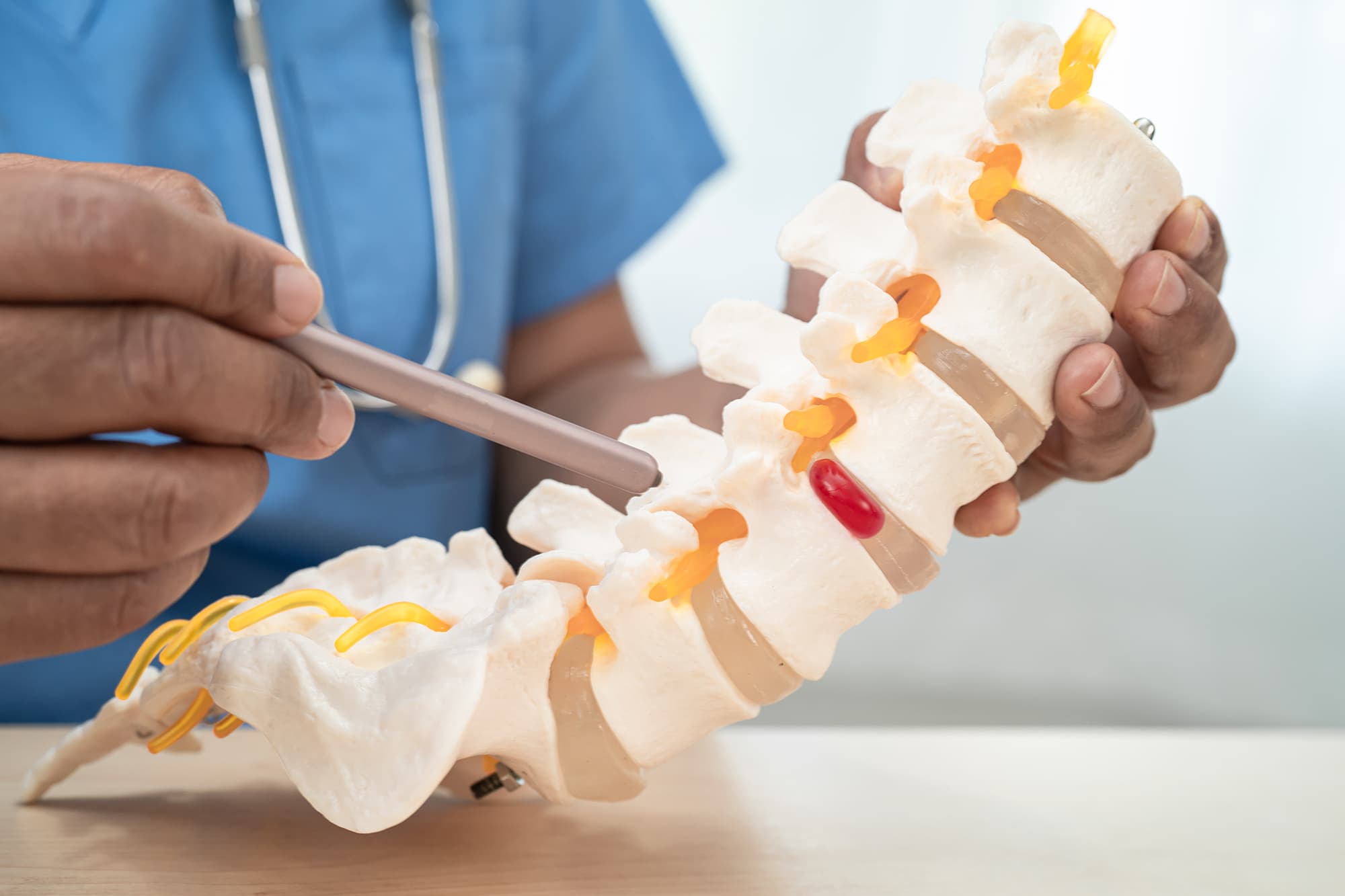
How we approach stem cell therapy at Life Balance Pain Care
Careful evaluation
We start by understanding your pain history, reviewing any imaging, and examining the affected joint, spine, or nerve to determine whether a regenerative approach may be appropriate for you.
Shared decision-making and a personalized plan
Dr. Bootstaylor and our team walk you through your options, including non-surgical and regenerative choices, and build a plan together that fits your goals, condition, and budget.
Targeted, image-guided treatment
If stem cell therapy is right for you, the formulation is delivered by injection, often with imaging guidance, to help direct it to the targeted tissue.
Recovery and follow-up
We follow your progress over time, adjust your supportive care as needed, and keep you informed so you understand what to expect during recovery.
Get help with stem cell therapy.
Schedule an evaluation or call our team. Most patients are seen quickly across our three metro Atlanta locations.

How stem cells are used in pain management
For pain management, regenerative care often uses Mesenchymal Stem Cells (MSCs) because of their potential to develop into multiple tissue types, including bone, tendon, ligament, cartilage, muscle, and meniscus. Depending on the formulation, regenerative options may also include components such as amniotic fluid, exosomes, or Wharton's jelly. These cells are studied for their ability to renew themselves and to release anti-inflammatory and growth-related proteins.
The idea behind injecting stem cells into a damaged joint or tendon is that the cells may interact with the injured tissue, respond to the local environment, and release a combination of growth factors and proteins thought to support the body's own healing response. In this sense, they can act a bit like your body's natural repair toolkit. Results vary from person to person, and we will discuss what to expect based on your diagnosis.
Conditions explored with stem cell therapy
Stem cell therapy is being studied and explored for several painful, degenerative conditions, and outcomes are not guaranteed. For osteoarthritis and degenerative joint disease, the aim is to support cartilage health and reduce inflammation. For chronic back and neck pain, it is explored as a way to support tissue repair and comfort. For nerve-related (neuropathic) pain, researchers are investigating whether regenerative approaches may help with nerve-damage-related discomfort. Because this is an emerging area of medicine, we will be honest about what the evidence does and does not support for your specific situation during your evaluation.

Frequently asked questions
What is a stem cell?
A stem cell is a type of cell that already exists in your body with the ability to produce other cells, develop into a different kind of cell, or signal other cells how to behave based on what the body needs. Unlike specialized cells such as red blood cells, stem cells can renew themselves, which is part of how your bone marrow keeps generating new blood cells and platelets.
How does stem cell therapy work for pain?
Stem cell therapy delivers unspecialized cells to a targeted location with the goal of supporting new cell growth and tissue healing. When injected near a damaged joint or tendon, the cells are thought to interact with the injured tissue and release growth factors and proteins that may support the body's own healing response. Results vary from person to person.
What types of stem cells do you use?
Regenerative care for pain often uses Mesenchymal Stem Cells (MSCs), which may develop into tissues like bone, tendon, ligament, cartilage, muscle, and meniscus. Depending on the formulation, options may also include amniotic fluid, exosomes, or Wharton's jelly. During your evaluation we discuss which option may fit your specific condition.
What conditions might stem cell therapy help?
It is being studied and explored for osteoarthritis and degenerative joint disease, chronic back and neck pain, and nerve-related (neuropathic) pain. Whether it is appropriate for you, and what results are realistic, depends on your individual diagnosis and goals, which we review together during your evaluation.
Is stem cell therapy surgery, and is it proven?
No, it is a non-surgical, injection-based regenerative option, not surgery. Regenerative medicine is still an evolving field, so outcomes are not guaranteed and it is not a cure. We focus on non-surgical and regenerative care first and will be honest about what the evidence supports for your situation.
Do you accept attorney liens for personal-injury cases?
Yes. We accept attorney liens for personal-injury cases. If your pain follows an accident or injury, contact our Atlanta team at 404-618-6825 to discuss your situation and next steps.