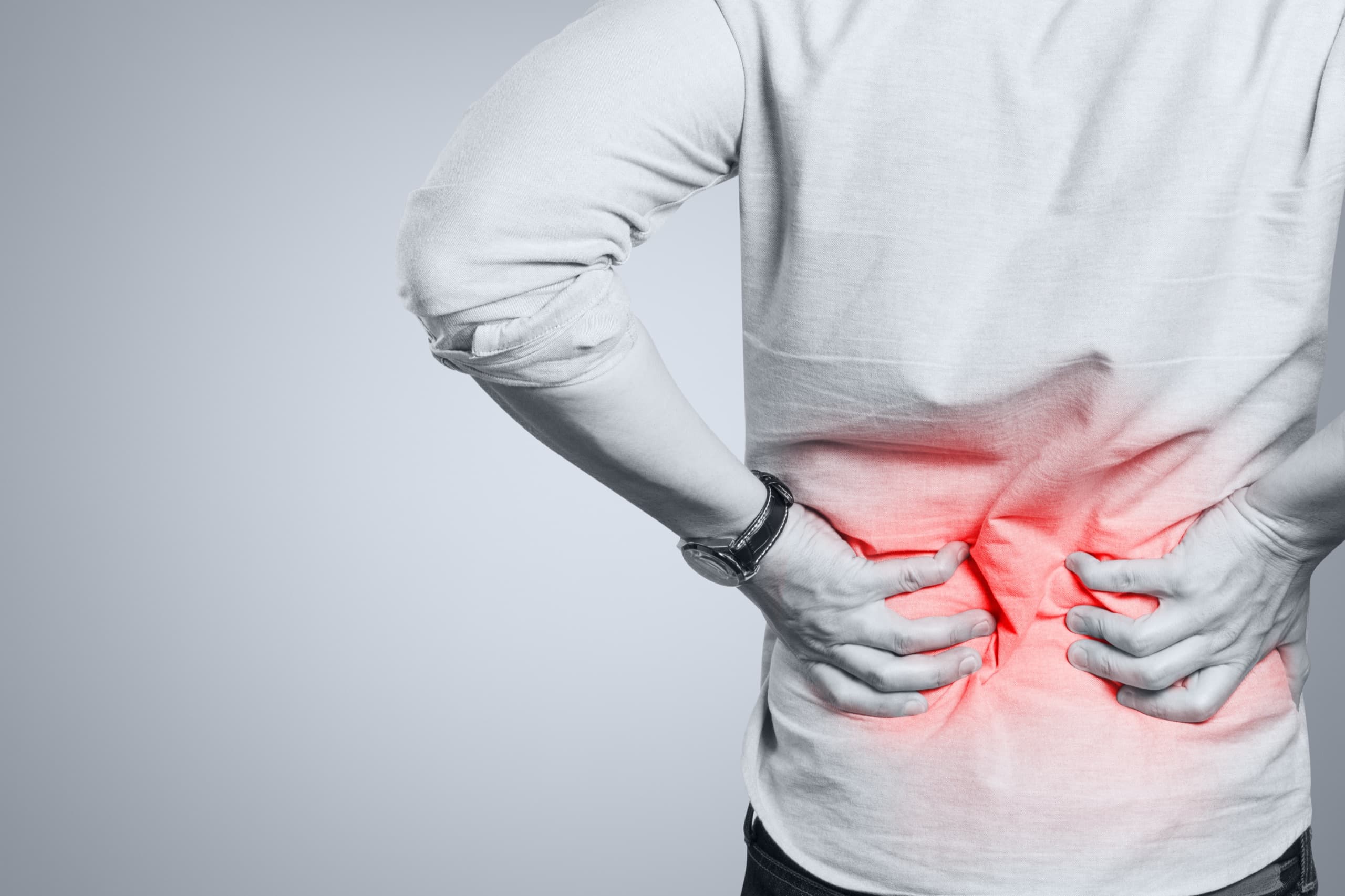
Back pain is discomfort anywhere along the upper, middle, or lower back, and it is one of the most common reasons people seek medical care. It can feel like a dull ache, a sharp stab, or a shooting pain that travels down the leg. The encouraging news: more than 90 percent of people with back pain find meaningful relief with conservative, non-surgical treatment.
If you are reading this because your back hurts right now, we want you to know something first. Back pain is exhausting. It interrupts sleep, makes simple tasks feel enormous, and can wear on your mood and patience in ways that people around you may not see. None of that means something is permanently wrong with you, and it does not mean you have to simply live with it. At Life Balance Pain Care in Atlanta, helping people move past back pain is a daily part of what we do.
What does back pain feel like?
Back pain shows up differently for different people, and the pattern often gives helpful clues about the cause. You might notice:
- A dull, constant ache in the lower back after sitting or standing
- Sharp or sudden pain when bending, lifting, or twisting
- Stiffness in the morning that loosens as you move
- Numbness, tingling, or shooting pain that runs into the buttock or leg
- Muscle tightness or spasms that come in waves
Pain that travels down the leg deserves special mention. That pattern is often sciatica, a type of nerve pain caused by a herniated disc, spinal narrowing, or bone spurs pressing on part of the sciatic nerve, which branches from the low back through the hips and down each leg.
What causes back pain?
The spine is a remarkable structure of bones, discs, joints, muscles, and ligaments, and pain can start in any of them. Common causes include:
- Muscle or ligament strain from lifting, sudden movements, or overuse
- Bulging or ruptured discs that press on nearby nerves
- Arthritis and age-related wear in the small joints of the spine
- Osteoporosis, which can lead to compression fractures
- Injuries from car accidents, falls, or sports
Certain factors raise your risk, including older age, excess weight, smoking, physical inactivity, improper lifting technique, and even anxiety and depression, which can amplify how the body processes pain. If your back pain began with a car accident or a fall, it deserves prompt attention even if it seems minor at first. Our personal injury care team sees this every week, and early evaluation catches problems that are easy to overlook in the first days after a crash.
When should I see a doctor for back pain?
Many episodes of back pain ease within a few weeks with rest and gentle activity. It is time to be seen when:
- Pain lasts longer than two to three weeks or keeps returning
- Pain travels down one or both legs, especially below the knee
- You notice numbness, tingling, or weakness in a leg or foot
- Pain follows an accident or injury
- Pain interferes with sleep, work, or daily activities
Seek emergency care right away if back pain comes with loss of bladder or bowel control, numbness in the groin area, or fever. These are rare, but they matter.
What actually helps back pain?
Treatment works best when it matches the cause, which is why care at Life Balance Pain Care always begins with a thorough evaluation. Dr. Brad S. Bootstaylor, MD brings more than 25 years of experience to that first conversation, and the plan is built with you, not handed to you. Depending on what is driving your pain, your plan may include:
- Home strategies: ice or heat, short periods of rest, and gradually returning to movement, which is one of the best medicines for most back pain
- Physical therapy: strength and flexibility work that supports the spine, eases nerve pressure, and lowers the risk of reinjury
- Medications: anti-inflammatories, muscle relaxants, or topical creams to calm symptoms while your body heals
- Image-guided injections: corticosteroid or epidural steroid injections placed precisely where inflammation lives. These are essentially pain free, because a numbing agent such as lidocaine or bupivacaine is used to minimize discomfort
- PRP therapy: a regenerative option that uses concentrated platelets from your own blood to support the body’s natural healing
- Trigger point therapy: for the tight, knotted muscles that often accompany chronic back pain
Surgery is rarely the first answer. Our approach is conservative first, and we only discuss more invasive options when simpler measures have truly been given a fair chance.
Living well while your back heals
Small daily habits add up. Gentle walking, careful lifting with the legs rather than the back, a supportive sleep position, maintaining a healthy weight, and not smoking all give your spine a better environment to heal in. Be patient with yourself. Healing is rarely a straight line, and a difficult day does not erase your progress.
Frequently asked questions
Will I need surgery for my back pain?
Probably not. More than 90 percent of back pain responds well to conservative management. Non-surgical care is always our starting point.
How do you figure out what is causing my pain?
We start by listening, then examine your back and how you move. When needed, we use imaging such as X-rays or MRI to see the structures involved before recommending any treatment.
Can you help if my back pain is from a car accident?
Yes. We provide auto accident injury care, accept attorney liens for qualifying personal injury cases, and can even arrange transportation to your appointments.
Where can I get back pain treatment in Atlanta?
Life Balance Pain Care treats back pain at three Atlanta locations: Midtown, Camp Creek, and Greenbriar. Se habla español.
You do not have to figure this out alone
If back pain has been running your schedule, let us help you take it back. Call Life Balance Pain Care at 404-618-6825 or request an appointment online. We will listen, explain what we find in plain language, and build a plan together.
Dealing with this yourself? See how we treat it. Non-surgical options first.