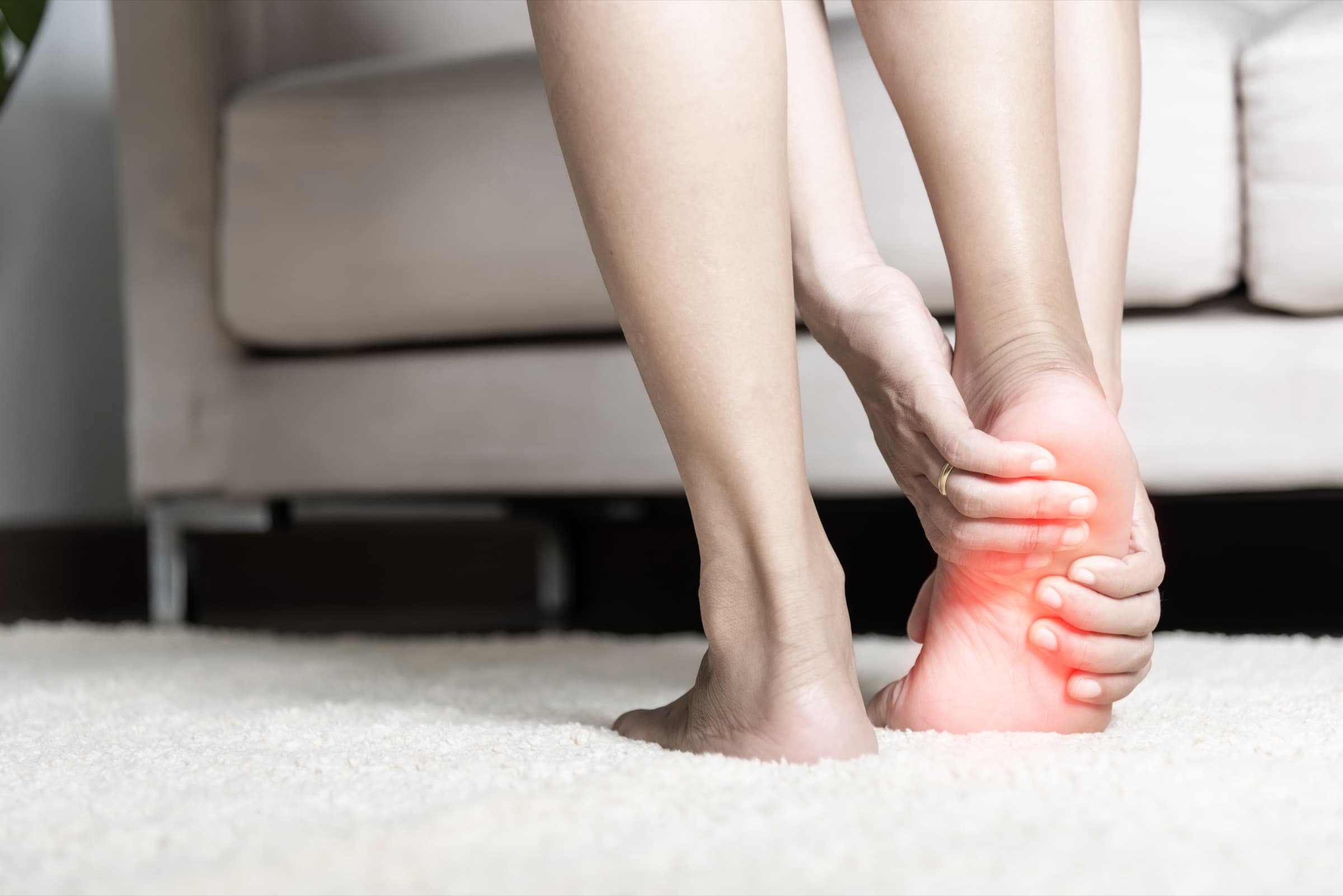
Neuropathy is pain, numbness, or unusual sensations caused by damage to the peripheral nerves, most often felt in the hands and feet. People describe burning, tingling, prickling, electric shocks, or the strange feeling of wearing invisible socks or gloves. Neuropathy is common, it is real, and in many cases its symptoms can be significantly improved with treatment.
Nerve pain has a way of being hard to explain to other people. It does not show up on the outside, it often gets worse at night when the world is quiet, and it can leave you feeling oddly alone with it. If that sounds familiar, please hear this: at Life Balance Pain Care in Atlanta, we treat neuropathy every week. You are not imagining it, and you are not out of options.
What does neuropathy feel like?
Because nerves carry many kinds of signals, damaged nerves produce many kinds of symptoms:
- Burning, prickling, or tingling, often starting in the toes or fingertips
- Numbness, or the sensation of wearing socks or gloves that are not there
- Shooting, stabbing, or throbbing pain
- Unusual sensitivity to touch or temperature, where even bedsheets can hurt
- Muscle weakness or a feeling of clumsiness and poor coordination
Symptoms often creep in gradually, which is exactly why they are easy to dismiss at first. Ongoing or worsening nerve symptoms deserve an evaluation, both to treat the discomfort and to address whatever is causing it.
What causes neuropathy?
Neuropathy can happen to anyone, but certain conditions and exposures raise the risk considerably:
- Diabetes: the most common cause in the United States, because prolonged high blood sugar injures small nerves
- Vitamin deficiencies: especially B vitamins that nerves rely on
- Alcohol overuse and exposure to certain toxins
- Infections and autoimmune diseases that inflame nerve tissue
- Thyroid, liver, or kidney problems
- Repetitive motions that compress nerves over time
- Family history of neuropathy
Managing these underlying drivers matters. Keeping blood sugar controlled, eating well, limiting alcohol, not smoking, and staying active all help protect your nerves, and they make every other treatment work better.
How is neuropathy diagnosed?
Diagnosis starts with a conversation. Dr. Brad S. Bootstaylor, MD and our team listen to how your symptoms began and how they behave, then perform a physical and neurological examination with close attention to the painful, numb, or tingling areas. Depending on the picture, we may recommend blood tests, nerve function studies, imaging such as MRI or CT scans, or in some cases nerve or skin biopsies. Understanding the type and cause of your neuropathy shapes everything that follows.
How is neuropathy treated?
There is rarely one single fix for nerve pain, and that is actually good news, because it means several tools can work together:
- Treating the cause: better blood sugar control, correcting vitamin deficiencies, and addressing the conditions driving the nerve damage
- Medication management: oral medications and medicated creams that specifically quiet nerve pain signals
- Physical therapy: exercises, stretching, and massage that relieve nerve pressure, improve strength and balance, and help prevent falls
- Regenerative medicine: platelet-rich plasma and stem cell approaches that stimulate the body’s natural healing capacity, part of our regenerative medicine program
- Foot care and daily protection: especially important with numbness, since small injuries can go unnoticed
Your plan is built around your symptoms, your underlying health, and your goals, and it is adjusted with you over time. Shared decision-making is how we practice, so you will always understand what we are doing and why.
Small steps that protect your nerves
While treatment works, gentle daily habits help: inspect your feet regularly if numbness is present, wear supportive shoes, keep moving with low-impact exercise like walking or swimming, and give yourself real credit for every step. Living with nerve pain takes more energy than most people realize. Managing it well is an accomplishment, not a given.
Frequently asked questions
Is neuropathy reversible?
It depends on the cause and how early it is addressed. Some neuropathies improve substantially when the underlying cause is treated. Even when nerve damage cannot be fully reversed, symptoms can very often be reduced to a level that lets you live comfortably.
Why is my nerve pain worse at night?
This is extremely common. With fewer distractions, the nervous system has more room to notice pain signals, and temperature changes at night can play a role. Treatment often improves sleep noticeably, which then helps the pain itself.
Do I need a referral to be seen?
No referral is needed. You can contact us directly, and most insurance plans and Medicare are accepted.
Where can I get neuropathy treatment in Atlanta?
Life Balance Pain Care treats neuropathy at three Atlanta locations: Midtown, Camp Creek, and Greenbriar. Se habla español.
Your nerves are talking. Let’s listen together
Burning, tingling, or numb feet and hands are worth taking seriously, and treating. Call Life Balance Pain Care at 404-618-6825 or request an appointment online. We will figure out what your nerves are trying to say and build a plan to quiet them.
Dealing with this yourself? See how we treat it. Non-surgical options first.