Platelet-rich plasma, or PRP, is a regenerative injection therapy that uses a concentrated preparation of platelets from your own blood to support healing in damaged cartilage, tendons, ligaments, and muscles. It is most often used for joint pain, including knee osteoarthritis, as well as soft tissue injuries in the shoulder, elbow, wrist, ankle, and hip. Because PRP comes from your own body, it is a natural, non-surgical option with minimal downtime.
If you have been living with a painful joint and the phrase “you might need surgery someday” has been hanging over you, PRP is worth understanding. It is not magic, and we will never sell it that way. It is a thoughtful way of concentrating your body’s own healing machinery exactly where it is needed. Here is how it actually works, in plain language, from the team at Life Balance Pain Care.
What is in your blood, and why it matters
Whole blood has several components. Plasma is the liquid portion, mostly water plus proteins, nutrients, and antibodies, and it carries everything else. Platelets are small cells best known for clotting, but that is only part of their job. Platelets release growth factors and proteins that regulate cell division, stimulate tissue regeneration, and promote healing throughout the body.
Normal blood contains roughly 150,000 to 450,000 platelets per microliter. Platelet-rich plasma concentrates that number several times over, commonly 2.5 to 9 times normal. Interestingly, more is not automatically better. Laboratory research suggests concentrations around 2.5 times normal may be ideal for encouraging new cell growth, which is why preparation technique matters as much as the concept.
How is PRP made?
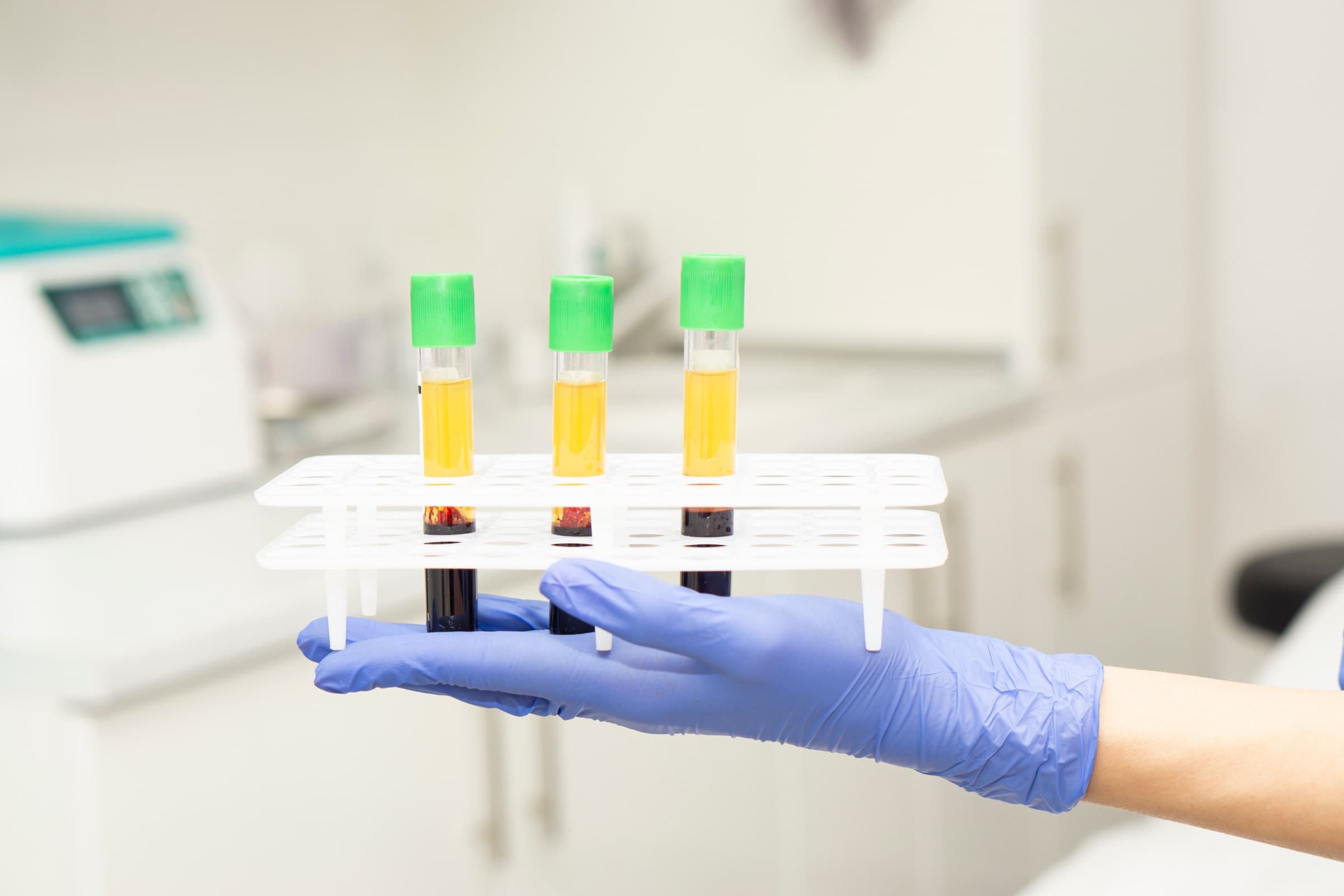
PRP is prepared from a sample of your own blood using a centrifuge, a machine that spins the sample at high speed until it separates into layers:
- Red blood cells, about 45 percent of the sample, settle at the bottom
- A thin middle layer called the buffy coat holds the platelets and white blood cells
- Platelet-poor plasma, about 55 percent, rises to the top
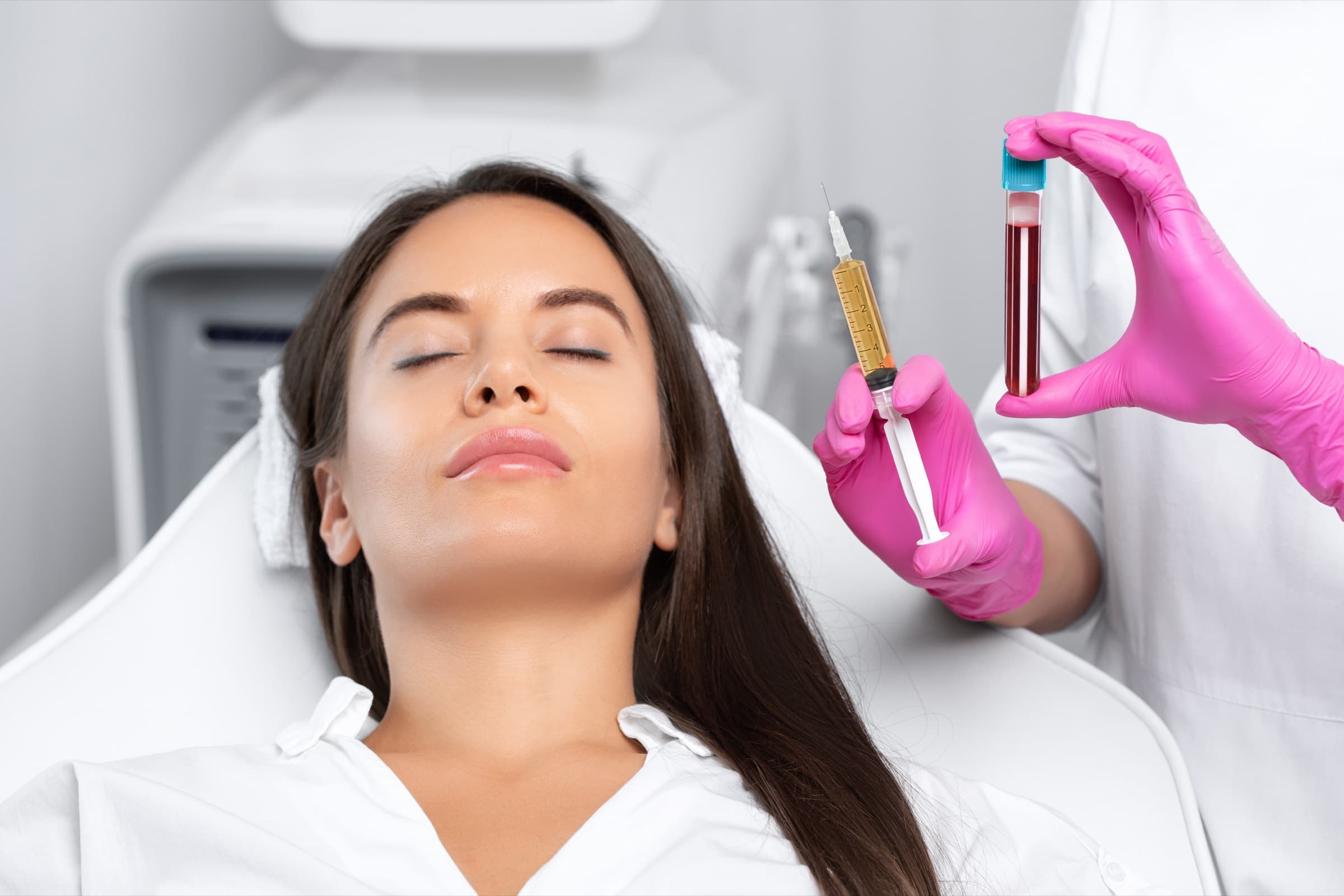
Your physician then draws off and prepares the platelet-rich portion for injection. Details such as spin speed, timing, and whether certain activating additives are used all influence the final preparation, which is one reason PRP from an experienced physician is not the same everywhere you go.
What happens during a PRP appointment?
The entire process happens in one office visit at our Atlanta clinics:
- Blood draw: typically 15 to 50 mL from your arm, less than two ounces, just like routine lab work
- Preparation: your blood is centrifuged and the PRP is prepared, which takes a short while in the same visit
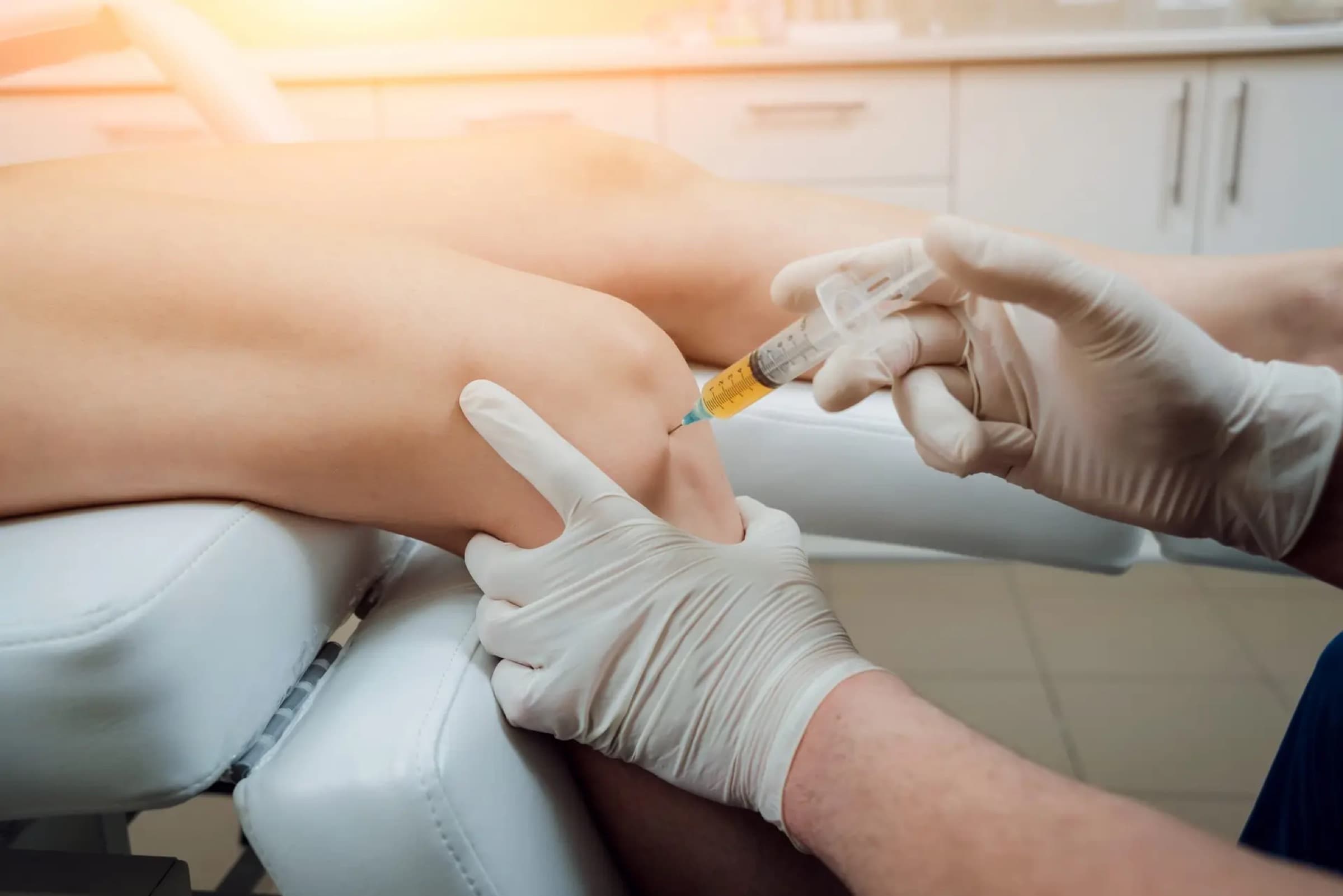
- Injection: after the area is cleansed, a small amount of PRP, often just 3 to 6 mL, is injected precisely into the affected joint or tissue. We frequently use live ultrasound guidance, watching the joint on screen in real time, so the PRP lands exactly where it should
Most people find the procedure very tolerable, and if needles make you anxious, tell us. We will pace things gently, and some patients benefit from calming medication beforehand.
What can PRP treat?
PRP is used for a range of orthopedic and soft tissue problems, including:
- Knee osteoarthritis, the most common use, where PRP may reduce pain, improve joint function, and potentially slow cartilage damage
- Osteoarthritis in the hip, shoulder, ankle, elbow, and wrist
- Tendon and ligament injuries
- Back and neck pain with soft tissue involvement
- Nerve-related pain as part of a broader neuropathy care plan
In osteoarthritis specifically, physicians who use PRP believe it may inhibit inflammation, stimulate new cartilage formation, increase the joint’s natural lubricating fluid, and calm pain receptors. Research is ongoing, and we are honest about that. PRP is a promising option many patients benefit from, not a guaranteed cure, and we will tell you frankly whether your situation is one where it makes sense.
What about recovery?
PRP works by triggering a healing response, so the injection site is often swollen and sore for about three days. That reaction is expected, and in a sense it is the treatment working. Plan to take it easy for a few days, then follow the gradual return to activity we map out together. Results build over weeks as tissue responds, rather than overnight.
Preparing well helps too. We ask most patients to pause anti-inflammatory medications and follow a few other simple steps before their appointment, and we will give you exact instructions. You can read our full guide on the PRP therapy page.
Frequently asked questions
Is PRP safe?
Because PRP is made from your own blood, the risk of allergic reaction or rejection is very low. As with any injection there is a small risk of soreness, bruising, or infection, which careful sterile technique minimizes.
How many treatments will I need?
It varies with the condition and how your body responds. Some people notice improvement after one injection, while others benefit from a short series. We review progress together and never schedule more than your situation supports.
Does insurance cover PRP?
Coverage varies, and many plans consider PRP elective. We keep our pricing transparent and will walk you through costs clearly before anything is scheduled.
Where can I get PRP therapy in Atlanta?
Life Balance Pain Care offers PRP at three Atlanta locations: Midtown, Camp Creek, and Greenbriar, led by Dr. Brad S. Bootstaylor, MD. Se habla español.
Curious whether PRP fits your situation?
The best way to find out is a conversation, not a sales pitch. Call Life Balance Pain Care at 404-618-6825 or request a consultation online. We will look at your joint, explain your options honestly, and decide together.
Dealing with this yourself? See how we treat it. Non-surgical options first.