What Is Regenerative Medicine? A Patient’s Guide to Healing Without Surgery
 Kyle DickersonOctober 24, 2023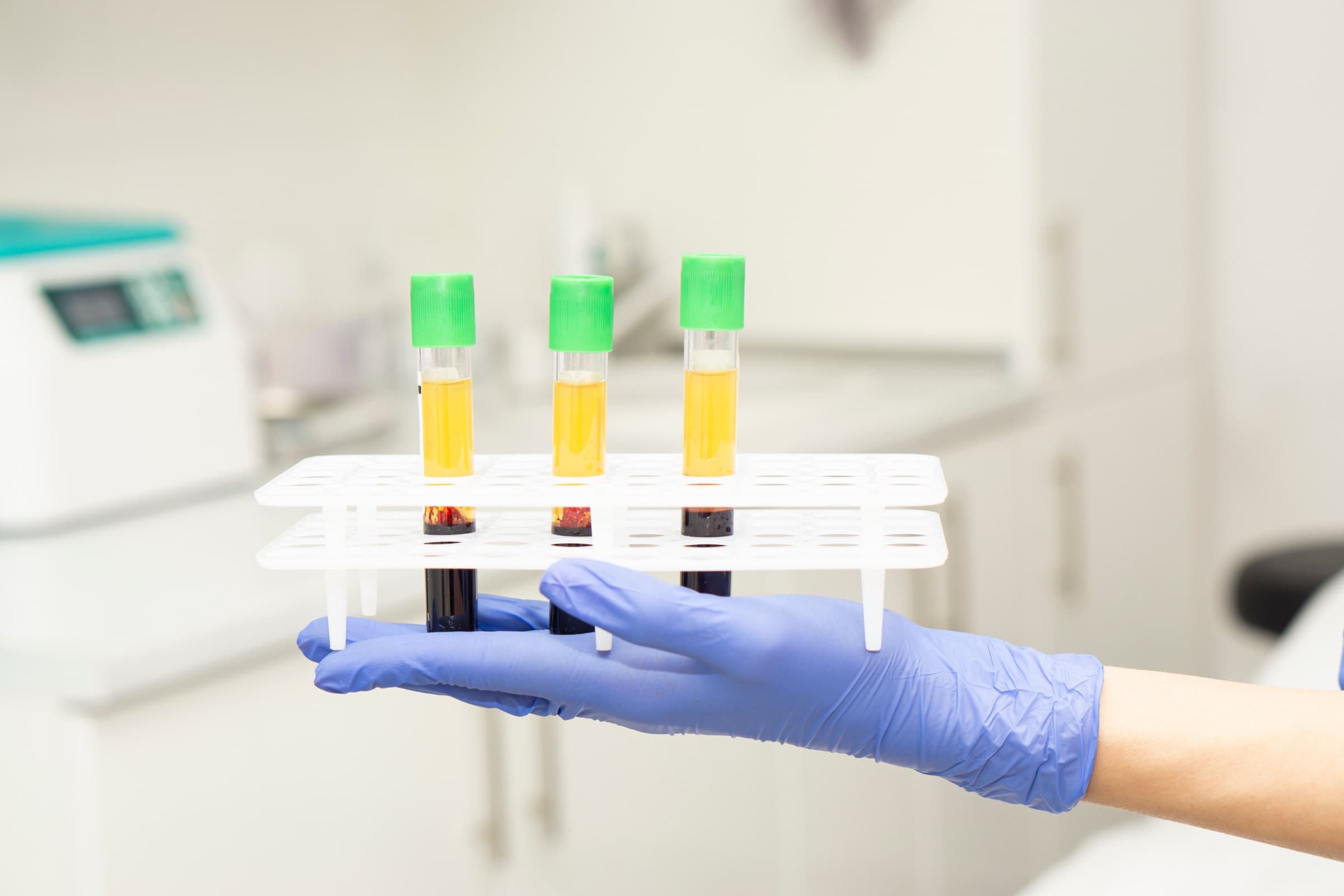
Regenerative medicine is an approach to treating pain and injury that works by stimulating your body’s own healing capacity, rather than only masking symptoms. Its most established tools are platelet-rich plasma (PRP) therapy and stem cell therapy, which are used to help repair damaged cartilage, tendons, ligaments, and other tissues without surgery. For many people with joint pain, arthritis, or soft tissue injuries, regenerative medicine offers a middle path between living on pain medication and undergoing an operation.
If you have been told your options are “pills, injections forever, or surgery,” it is worth slowing down and looking at this field. Not because it is trendy, but because for the right patient it changes the question entirely: from how do we manage your pain, to how do we help the tissue actually heal? That is the question we love answering at Life Balance Pain Care in Atlanta.
How does regenerative medicine work?
Your body already knows how to heal. It seals cuts, mends bones, and rebuilds muscle after every workout. The challenge is that some tissues, especially cartilage inside joints, have limited blood supply, so the healing machinery arrives slowly or barely at all. Regenerative treatments work by collecting the biological signals that drive healing, concentrating them, and delivering them precisely into the tissue that needs help, often under live ultrasound guidance.
Instead of asking your body to do something new, these treatments amplify what it already does. That is why the field is called regenerative: the goal is repair, not just relief.
What is PRP therapy?
Platelet-rich plasma therapy starts with a simple draw of your own blood. The sample is spun in a centrifuge to concentrate the platelets, the blood cells that release growth factors which stimulate tissue regeneration and healing. That concentrated preparation is then injected into the painful joint, tendon, or ligament.
PRP is most commonly used for knee osteoarthritis, and it is also applied to the hip, shoulder, elbow, wrist, and ankle, as well as soft tissue injuries. Because it is drawn from your own body, allergic reaction and rejection risks are very low. The visit takes about an hour, downtime is minimal, and results typically build over weeks as tissue responds.
What is stem cell therapy?
Stem cell therapy uses cells with the ability to develop into different tissue types to support repair in areas of damage, such as a joint affected by osteoarthritis. Like PRP, it is delivered by precise injection and aims to improve the environment inside the joint so tissue can recover function. It is a newer field, research continues to develop, and we are careful to set honest expectations about what it can and cannot do for a given condition.
What conditions can regenerative medicine help?
At our Atlanta clinics, regenerative options are considered for:
- Joint pain and osteoarthritis, especially of the knee
- Back pain and neck pain with soft tissue involvement
- Tendon and ligament injuries, including sports injuries
- Neuropathy, as part of a broader nerve pain plan
- Injuries from auto accidents that are slow to heal
Regenerative treatments also pair well with conventional care. A steroid injection can calm a painful flare while PRP supports longer-term tissue health, and physical therapy strengthens the area so improvements last.
Is regenerative medicine right for you?
Honest answer: not always, and a trustworthy clinic should say that plainly. The best candidates are people with mild to moderate joint degeneration or soft tissue injury who want to avoid or delay surgery, and who understand that results build gradually rather than overnight. Severe, bone-on-bone joint damage responds less predictably, and we will tell you if that is what we see.
At Life Balance Pain Care, every regenerative plan starts with an evaluation by Dr. Brad S. Bootstaylor, MD, who brings more than 25 years of experience in patient-centered care. We practice shared decision-making, which means you will see what we see, understand the reasoning, and make the call together. No pressure, no hype, just clear options.
Frequently asked questions
Is regenerative medicine safe?
PRP and similar treatments made from your own biology carry low risk of reaction or rejection. As with any injection there are small risks of soreness, bruising, or infection, minimized by sterile, image-guided technique.
How soon will I feel results?
Unlike a numbing injection, regenerative treatments work with your body’s healing timeline. Many patients notice gradual improvement over several weeks, with continued gains after that.
Does insurance cover regenerative treatments?
Coverage varies and many plans consider these treatments elective. We keep pricing transparent and will review costs with you clearly before you commit to anything.
Where can I get regenerative medicine in Atlanta?
Life Balance Pain Care offers PRP and regenerative care at three Atlanta locations: Midtown, Camp Creek, and Greenbriar. Se habla español.
Your body wants to heal. Let’s help it
If you are curious whether regenerative medicine fits your situation, the next step is a conversation, not a commitment. Call Life Balance Pain Care at 404-618-6825 or request a consultation online. We will give you an honest read and a clear plan, whichever direction it points.
Dealing with this yourself? See how we treat it. Non-surgical options first.